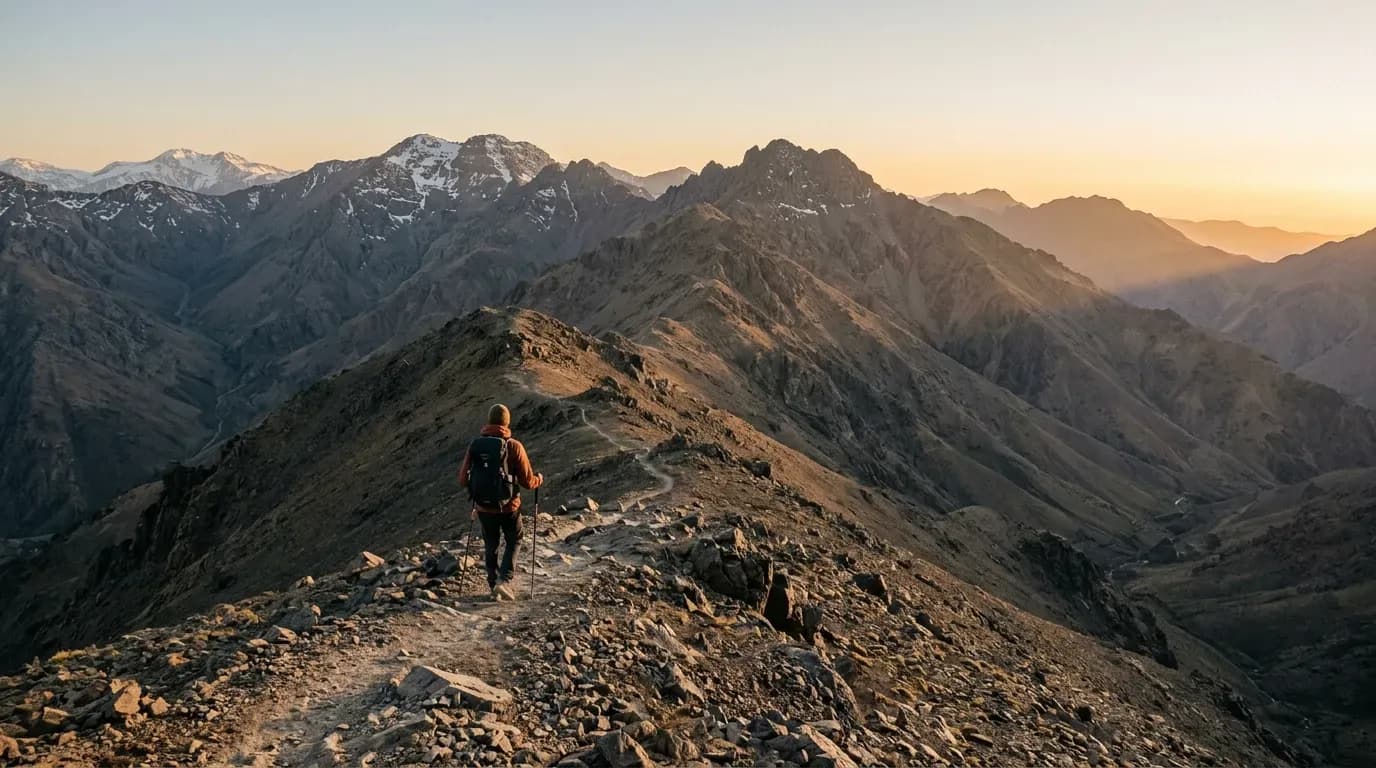
High-pass crossings
Crossing 3,000 m-plus passes that link two valleys — a long climb, the tip-over, a balcony descent.
- Trips
- 6
- Trip length
- 2 to 4 days
- Best window
- May to October
6 treks with “high-pass crossings” days
For each trip, the days given to this activity.
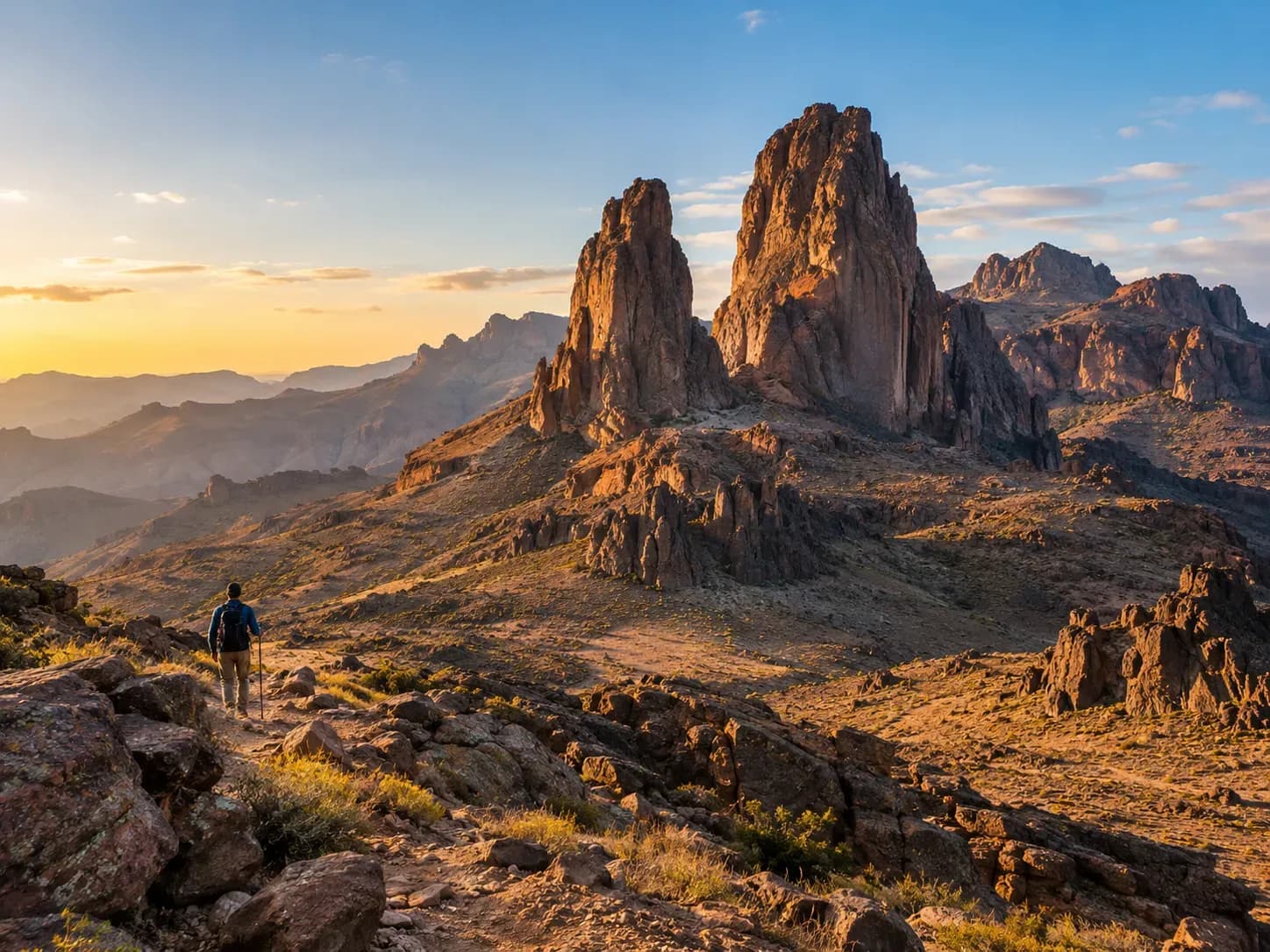
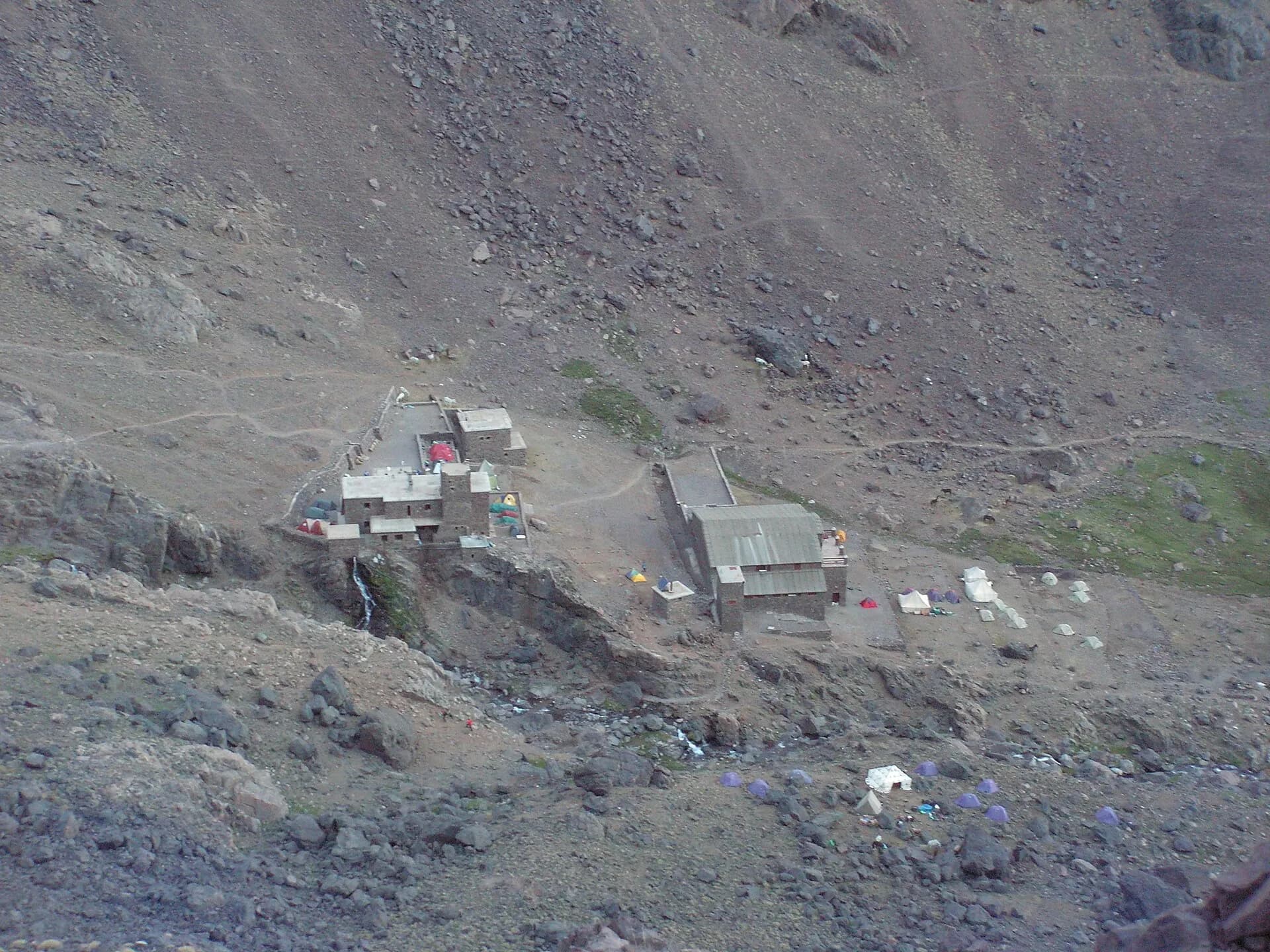
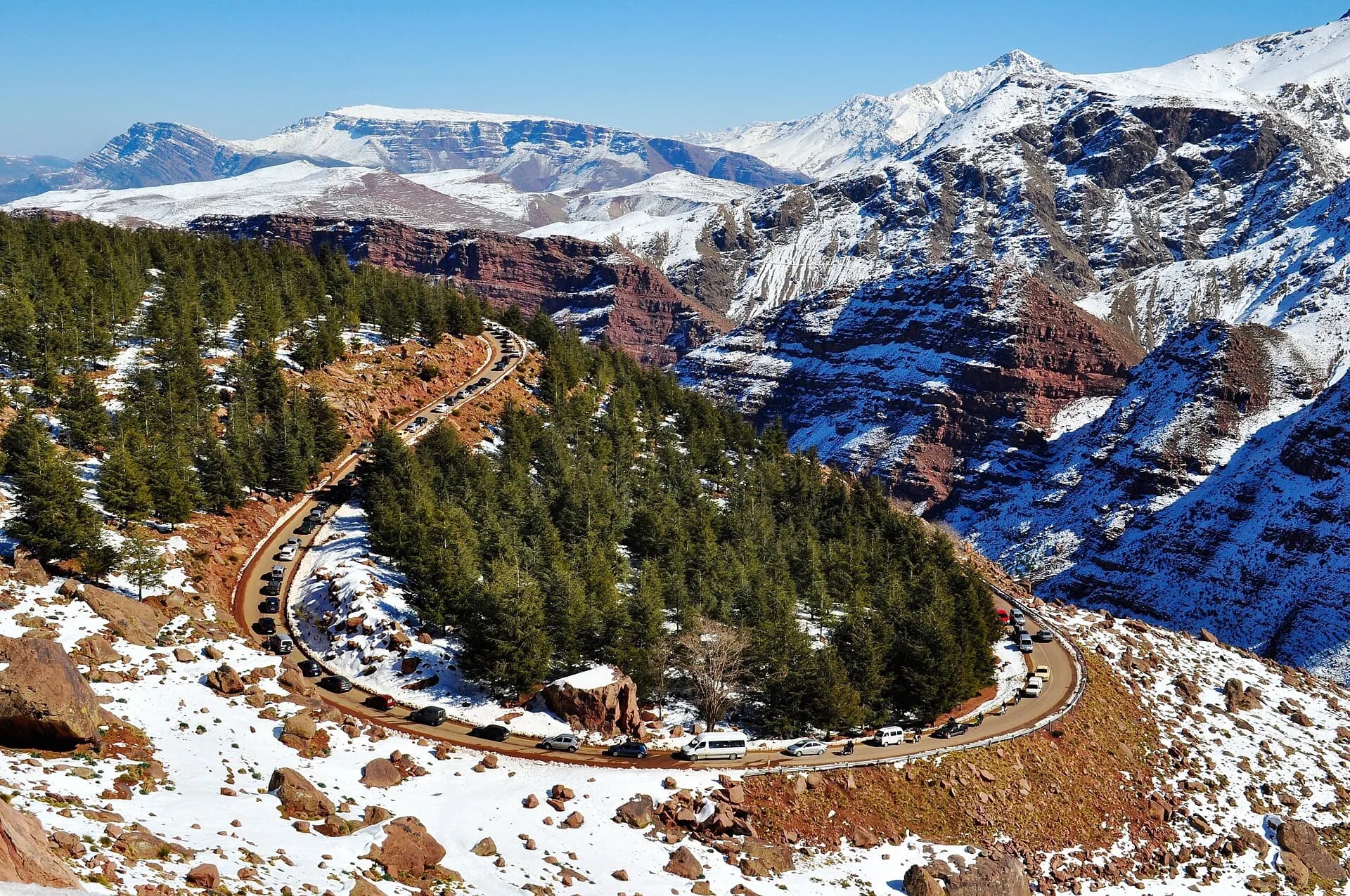
Not sure which trip?
Tell us who is going and when: we put you in touch with the right agency, with no commitment.
When to go
The full when-to-go guide- January: off season
- February: off season
- March: off season
- April: off season
- May: recommended season
- June: recommended season
- July: recommended season
- August: recommended season
- September: recommended season
- October: recommended season
- November: off season, this month
- December: off season
Recommended seasonOff seasonThis month
The months this activity's own record names: a plain window, not a rating. The massif-by-massif reasoning, with the reason for every month, lives in the when-to-go guide.
Asked before a “high-pass crossings” day
Is altitude a problem?
Above 3,000 m it is, if you climb too fast. Serious traverses build in an acclimatisation night in the valley before the first pass. Short breath and a headache on effort are normal; nausea and dizziness are not — you go back down.
What does a pass day look like?
An early start, three to five hours of steady climbing, a short stop at the col — cold and windy even in summer — then a long balcony descent into the next valley. Expect 6 to 9 hours walking.
Can a pass be closed?
Yes. Late snow, a storm or a rockfall can shut it: the guide decides on the spot and switches to the planned fallback route. That is a safety call, not an option.