Toubkal Trekking: High Atlas Valleys, Berber Villages & the Summit
North Africa's highest summit, its valleys and its refuges.
- Trips
- 10
- Length
- 2 to 8 days
- Highest point
- 4,167 m
- Ideal
- May–Jun, Sept–Oct
Toubkal, month by month
The full guide: when to go- Ideal
- Good
- Possible with care
- We would tell you to wait
Possible with care
Toubkal in January
Full winter conditions on the summit: snow and ice from the refuge up, crampons and ice axe required, technical guiding essential.
Possible with care
Toubkal in February
Deep winter: the heaviest snowpack of the year and avalanche risk in the Toubkal couloirs. For walkers with alpine experience only.
Possible with care
Toubkal in March
Still deep snow up high, but longer and milder days. A fine mountaineering season — not yet a walk.
Good
Toubkal in April
Snow retreats above 3,500 m and the valleys turn green. The summit stays cold and can be icy early in the morning.
Ideal
Toubkal in May
Valleys in flower, easy residual snow patches and ideal temperatures for the climb. One of the two best months.
Ideal
Toubkal in June
Settled weather and almost no snow left. Hot in Imlil in the afternoon, perfect above 2,500 m.
Good
Toubkal in July
Easy summit conditions, but real heat in the valley and late-afternoon storms. Start very early.
Good
Toubkal in August
Busiest month, refuges full. Fine weather, but plan around the heat and the crowds.
Ideal
Toubkal in September
The air cools, storms thin out and visibility is at its best. The finest month of the year.
Ideal
Toubkal in October
Crystal skies, cold nights and quiet trails after high season. Excellent right up to the first snows.
Good
Toubkal in November
First snows possible on the summit and short days, but the valleys stay beautiful and mild.
Possible with care
Toubkal in December
Winter sets in: a snow-covered summit and biting cold at altitude. Valley trekking is still on.
10 treks in Toubkal
The massif's agency

What to expect.
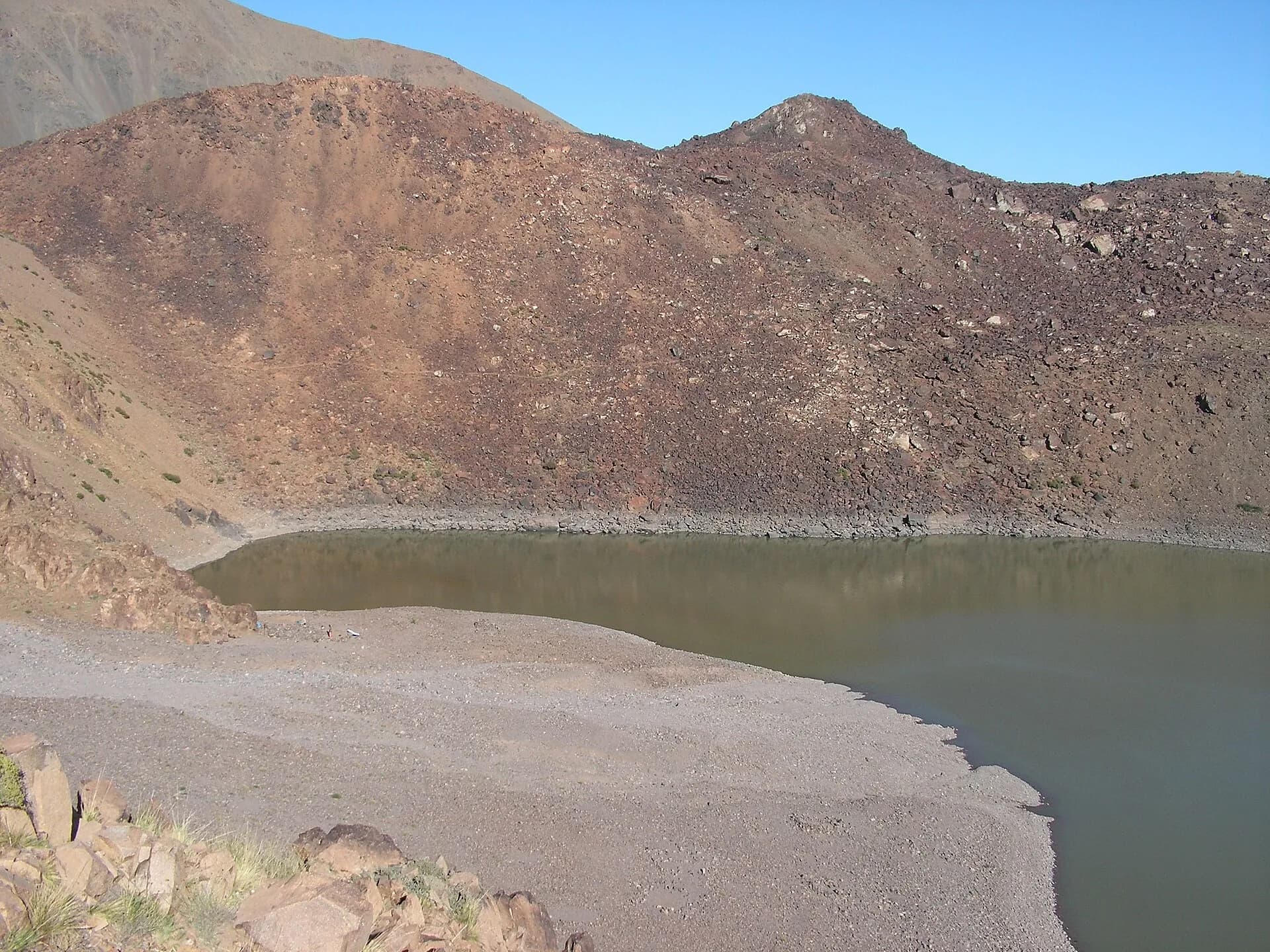
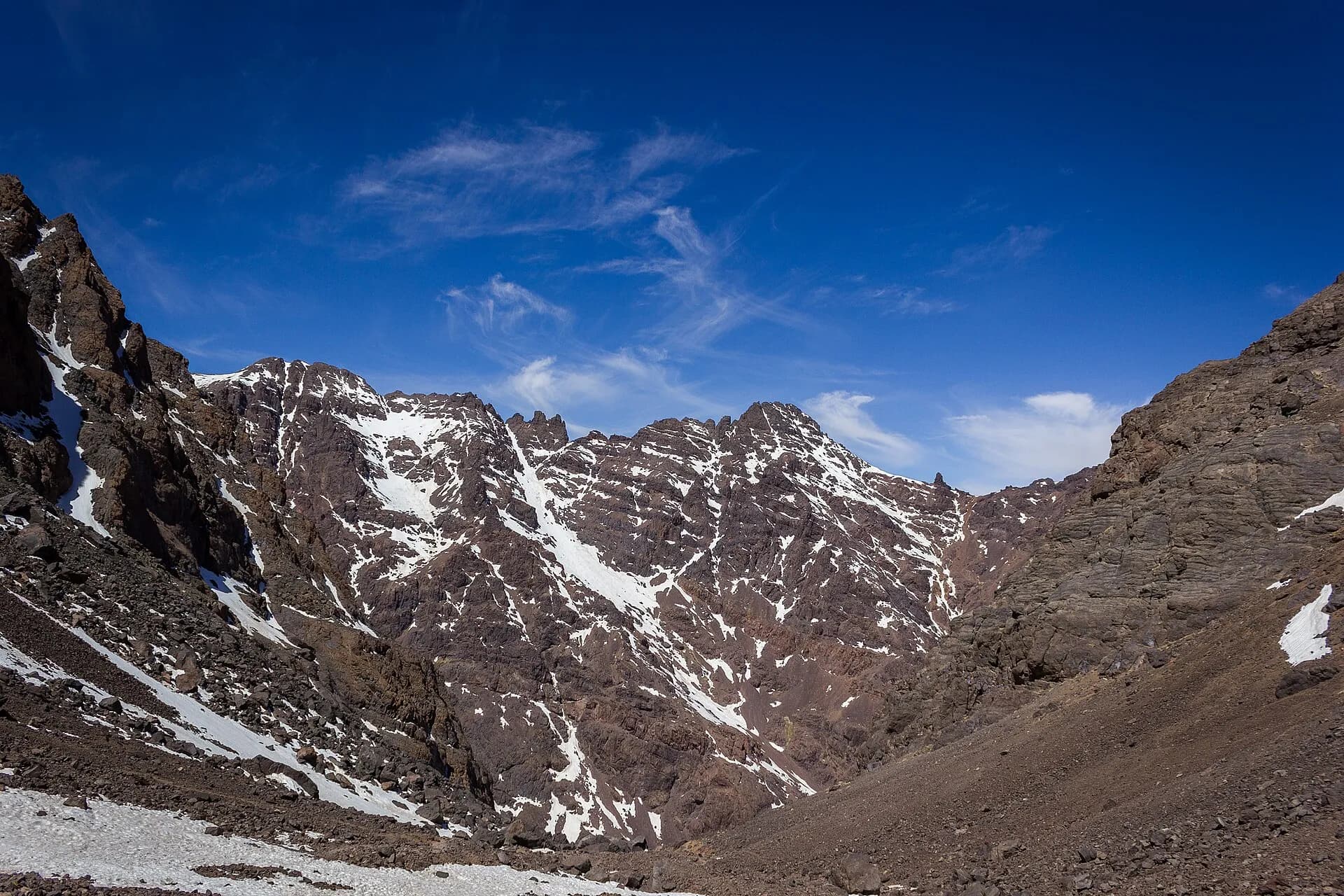
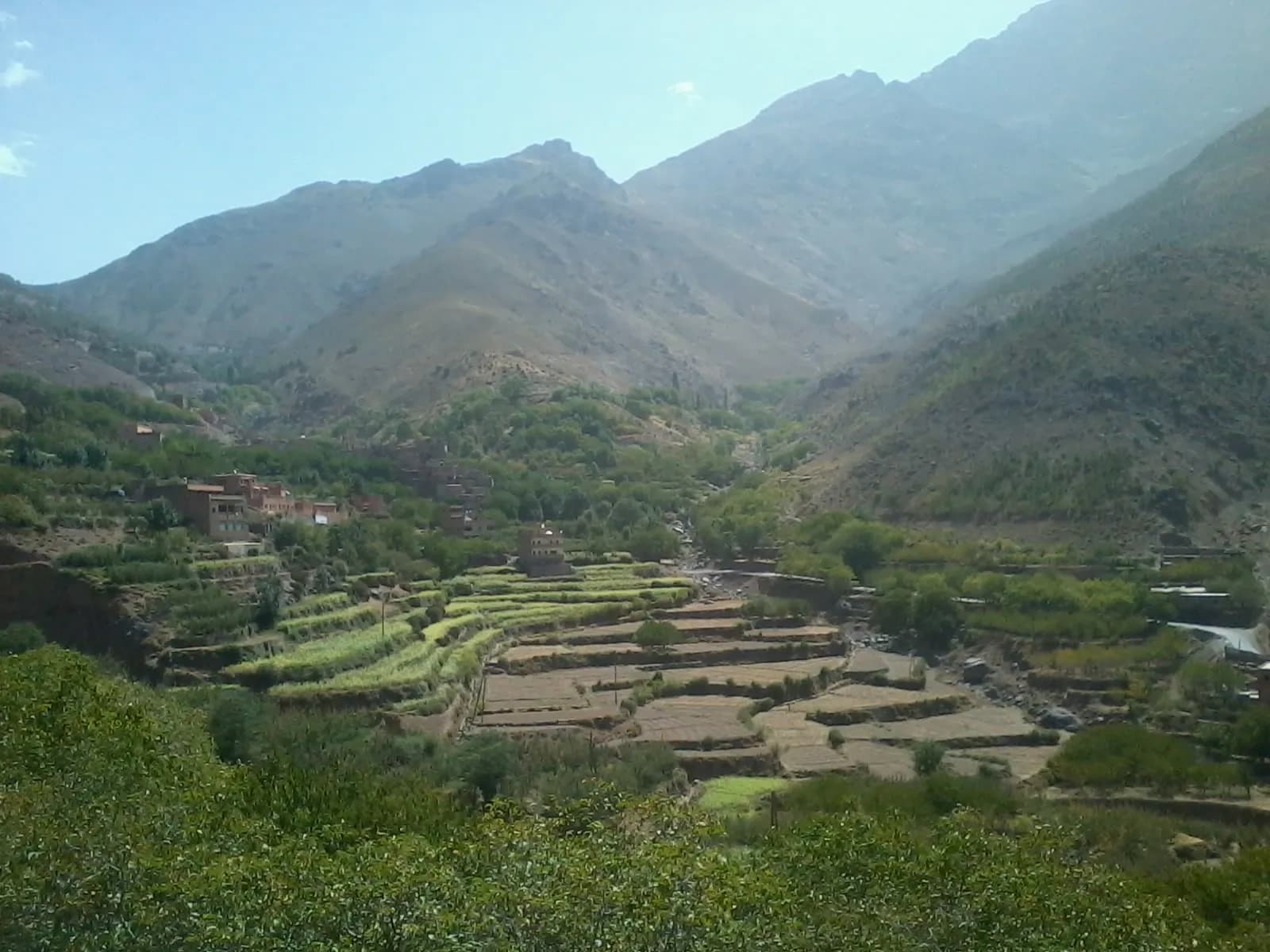
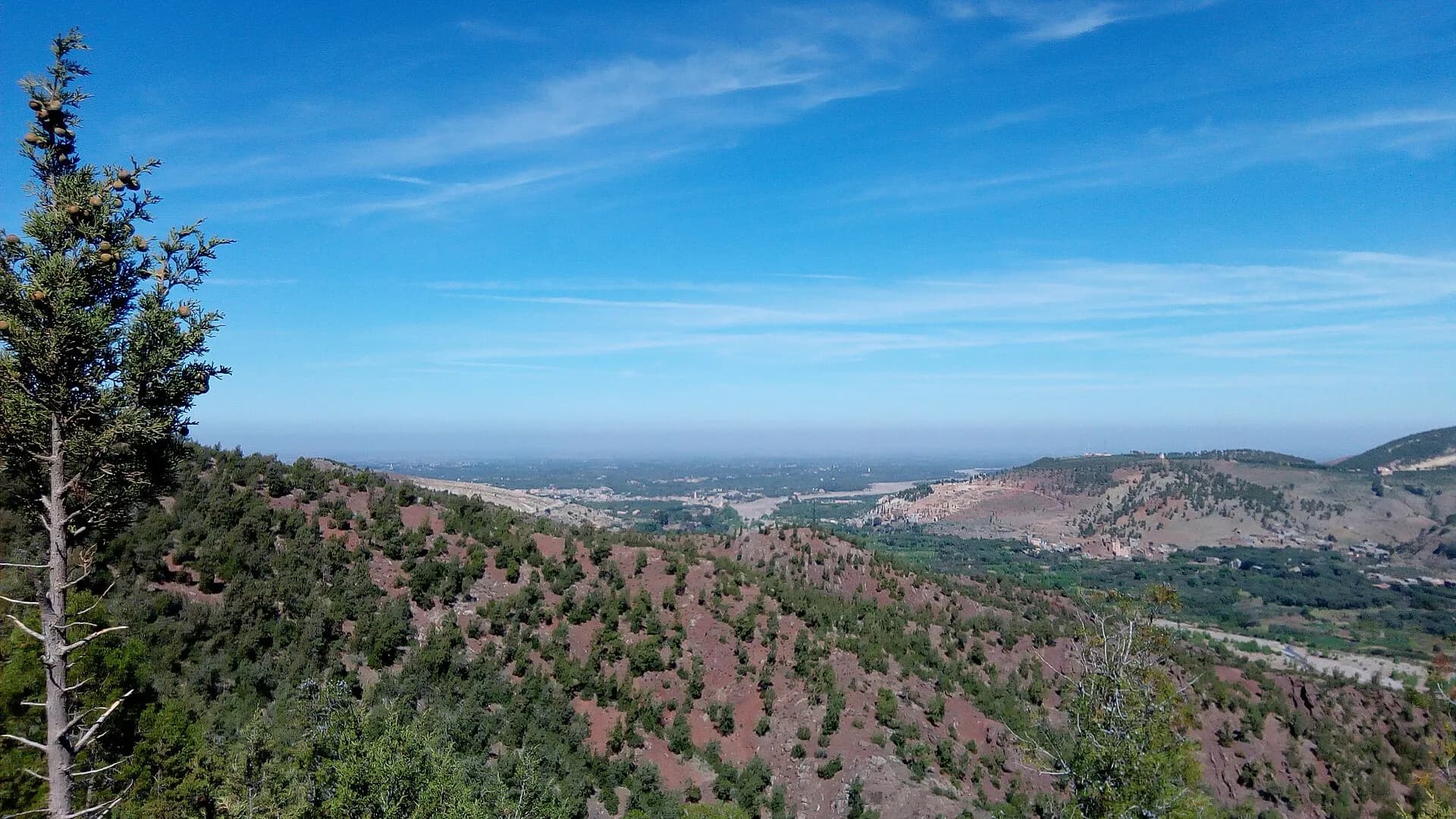
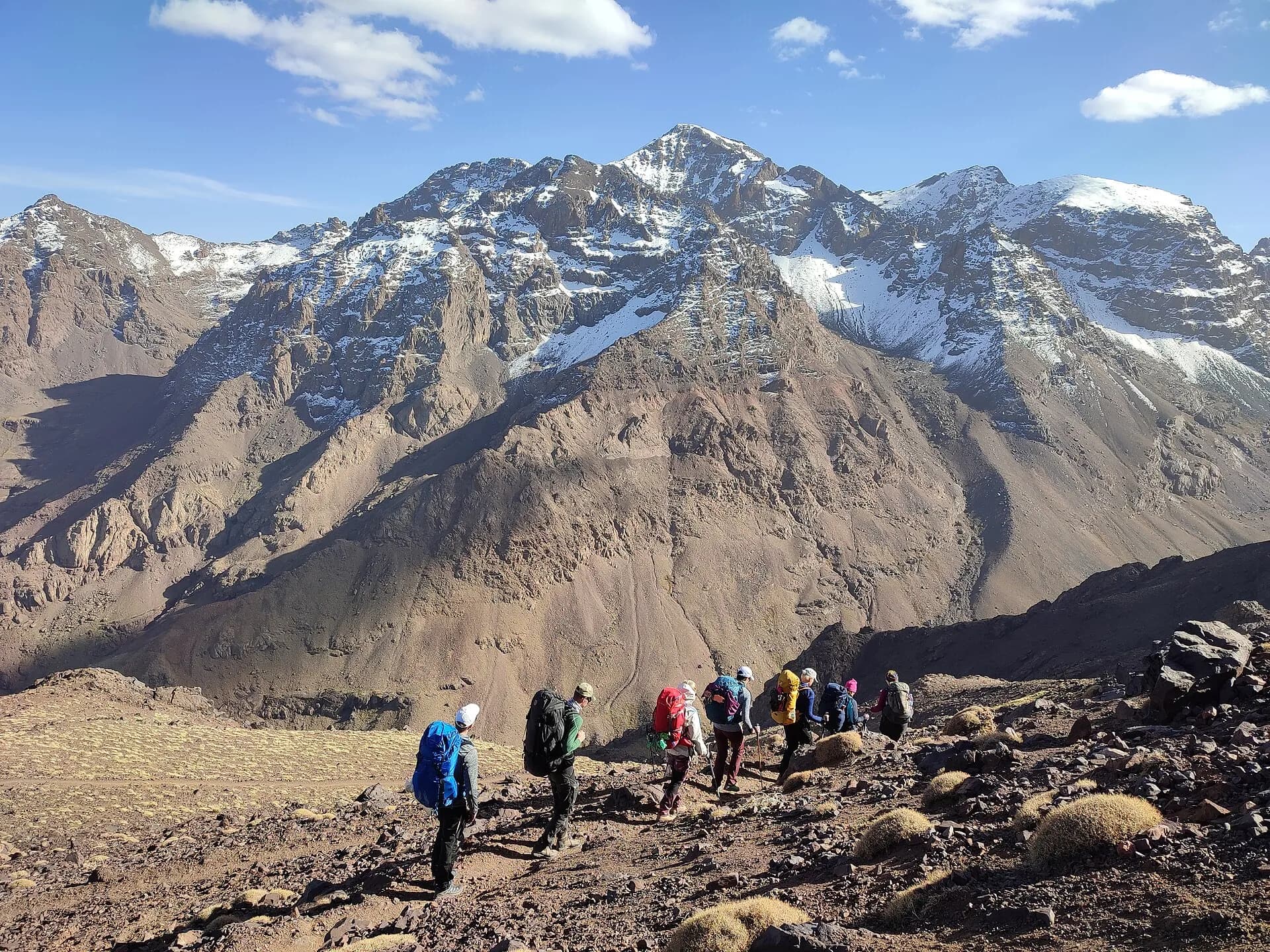
The Toubkal massif, about an hour and a half's drive from Marrakech, is the gateway to the High Atlas. Most treks start in Imlil, at around 1,700 m, and fan out into the neighbouring valleys: Imnane, Azzaden and Ourika. You walk from one Berber village to the next, past terraced fields, walnut trees and passes, staying in guesthouses, village homes or mountain refuges.
Not every trek in the massif goes to the summit. Short village circuits suit a first trek, while multi-day traverses such as the grand loop via Lake Ifni string together passes above 3,000 m and require good fitness. If the 4,167 m summit is your goal, see the dedicated Toubkal ascents page.
The best seasons are May–June and September–October. Summer is doable but hot in the valleys and very busy; in winter the massif is under snow and the ascent becomes an alpine climb. The month-by-month detail is in when to go. Nothing fits your dates? Tell us about your trip and a local agency will reply directly.
Asked before every departure.
Can you trek in the Toubkal massif without climbing the summit?
Yes. Many of the treks stay in the valleys: Berber villages around Imlil, the Imnane valley, the traverse towards Ourika. They suit a first trek, follow mule paths, and remain possible for more of the year than the ascent, which depends on snow conditions.
Where do you sleep on a Toubkal trek?
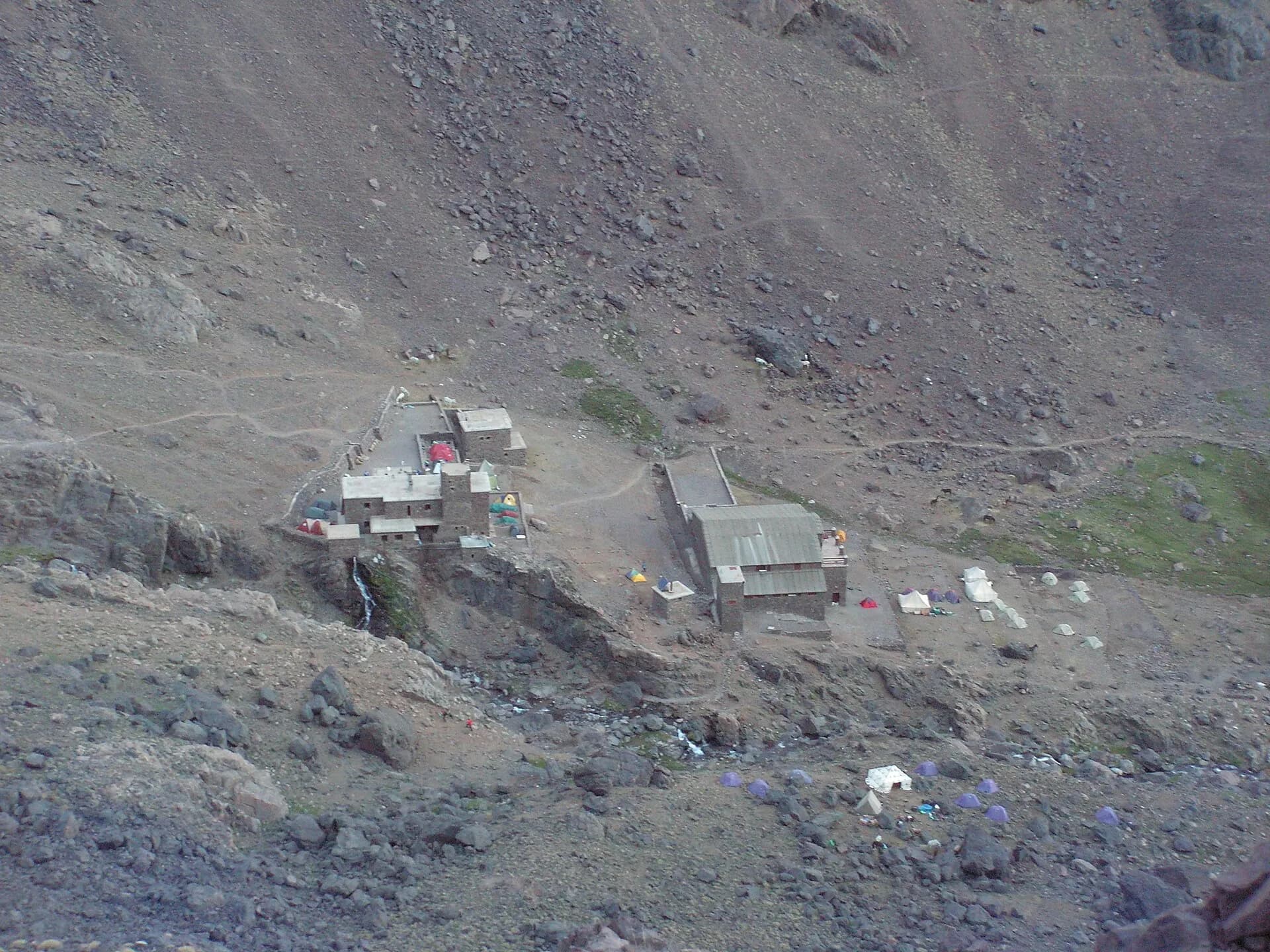
Depending on the route, in village guesthouses, local homes or mountain refuges. Treks that go to the summit usually spend a night at the refuge, at around 3,200 m, at the foot of the standard route. Longer traverses may include nights camping, and the agency will tell you the accommodation for each stage.
How do you get from Marrakech to Imlil?
By road, in about an hour and a half, via Asni. There is no convenient direct public transport for a trek start, so most trekkers use a transfer. Ask the agency whether the transfer from Marrakech is included in the price.
Explore another way
Other regions
Toubkal in season
Themes